Understanding the reputation, warning signs and preventing problems
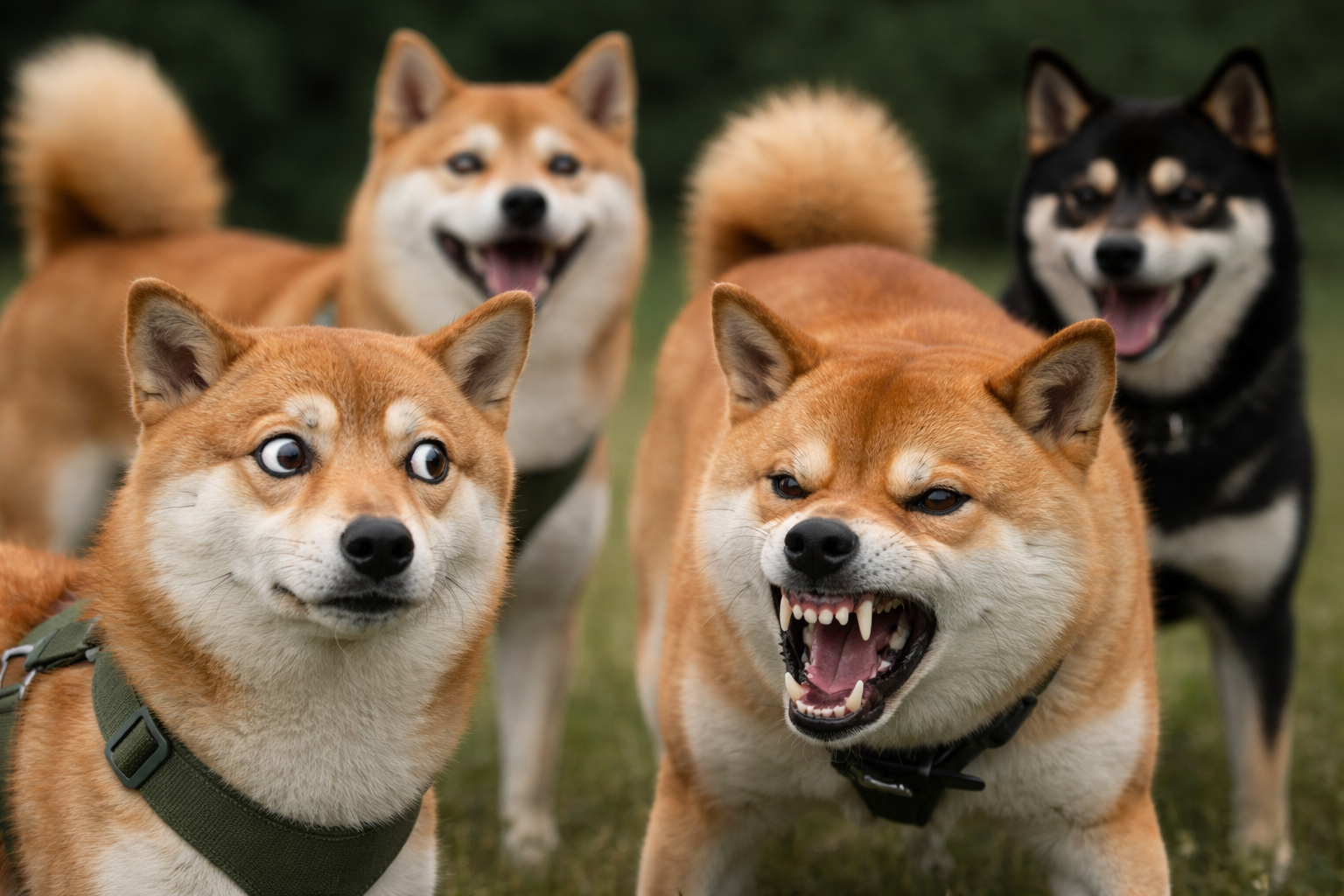
Shiba Inus sometimes carry a reputation for being “bitey” or unpredictable. Like many things surrounding this ancient Japanese breed, the truth is far more nuanced. Shibas are not inherently aggressive dogs. However, they are considered a primitive breed, meaning they retain more of their natural instincts than many modern companion breeds. Understanding those instincts is the key to preventing problems.
With proper handling, respect for their boundaries, and good training, most Shibas live their entire lives without ever biting anyone. But when bites do happen, there are usually clear reasons behind them. Understanding those reasons helps protect both people and dogs.
A Shiba Inu is a small to medium sized dog, typically weighing 17–23 pounds. Their bite force is estimated to be around 200–250 PSI (pounds per square inch). for comparison, here are some bite force estimates for other breeds:
This means a Shiba’s bite strength is actually very similar to many other common breeds. The real issue is rarely bite strength. The real issue is communication and boundaries.
Even though a Shiba Inu’s estimated bite force of roughly 200–250 PSI is only moderate for dogs, trainers and veterinarians often notice that the injury can look more severe than people expect from a 20–25 lb dog. That is usually not about raw power alone. It is about tooth shape, snap speed, and bite mechanics working together.
Authorities often look at things like puncture depth, number of punctures, and tissue tearing. Because Shiba bites can produce clean punctures, a quick defensive bite can still end up looking serious on paper.
| Factor | Effect |
|---|---|
| Moderate PSI | Not extremely strong compared with many breeds |
| Sharp canine teeth | Deeper punctures |
| Fast snap reflex | Harder to avoid once the dog escalates |
| Tight scissor bite | Efficient penetration and less sliding |
Bottom line: the visible damage can look disproportionate to the dog’s body size, which is exactly why experienced Shiba handlers focus so heavily on reading early warning signs, consent-based handling, and avoiding forced physical control.
Not necessarily. What Shibas are is less tolerant of rough handling and disrespectful interactions than many companion breeds. Popular family breeds were selectively bred to tolerate grabbing, hugging, and chaotic environments. Shibas were not.
Originally bred in Japan to hunt small game in rugged terrain, Shibas tend to be independent, alert, and sometimes aloof. They are not as eager to please as some other breeds, which can lead to misunderstandings if their signals are ignored. They are highly aware of their surroundings, and quick to respond when something makes them uncomfortable. A Shiba is more likely than some breeds to communicate clearly when they want something to stop. If those warnings are ignored, escalation can occur.
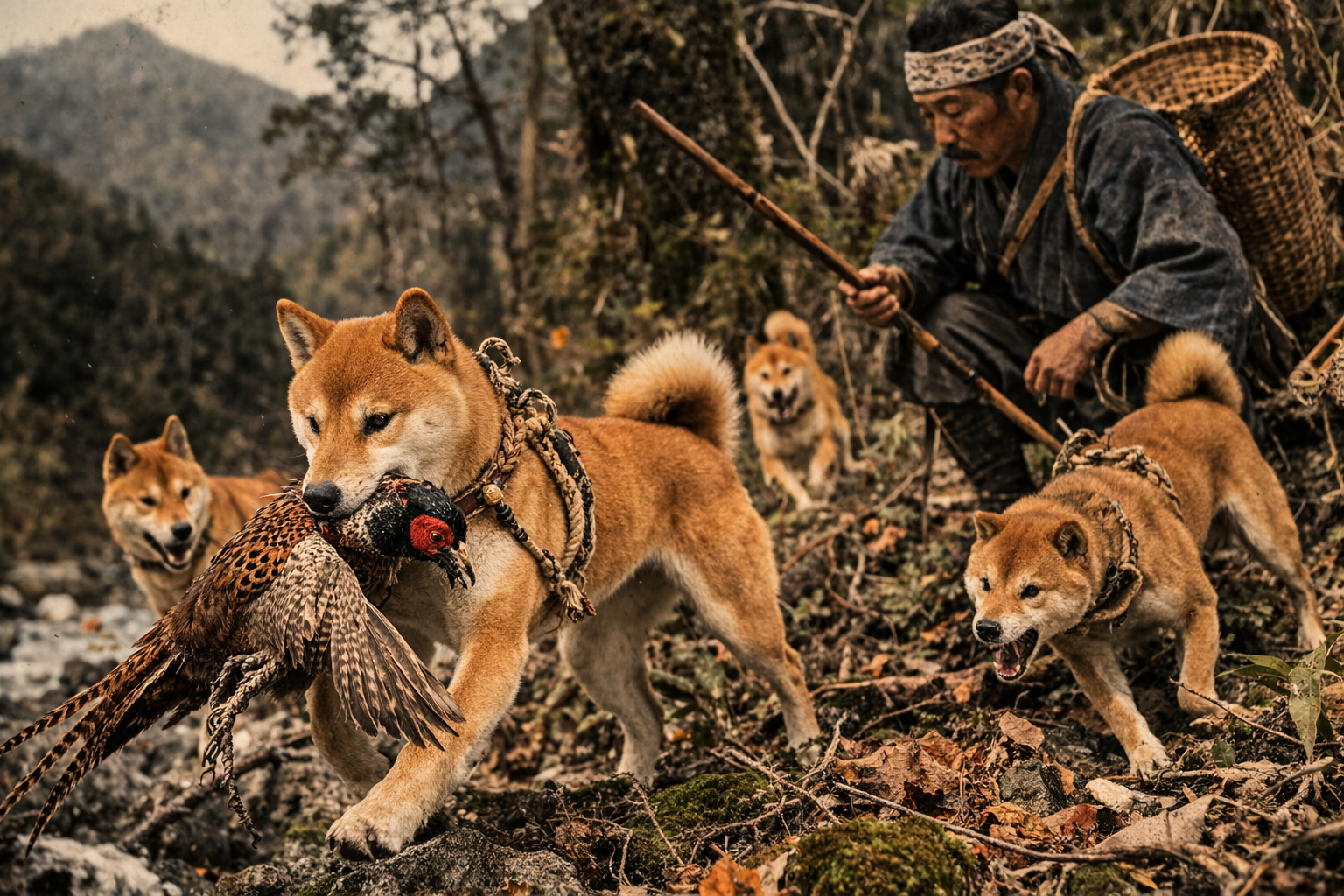
Early Shiba Inus were bred in Japan to hunt small game in mountainous terrain.
A Shiba will usually communicate discomfort clearly before escalating.
Owners sometimes say their dog “bit out of nowhere.” In reality, most dogs give multiple warning signals before a bite occurs. The problem is that many people do not recognize those signals. Dogs communicate discomfort through body language long before they escalate. Warning signs can include turning the head away, lip licking, showing the whites of the eyes (often called whale eye), stiffening of the body, freezing, ears pinned back, low growling, or attempting to move away from the situation. When these signals are ignored or misunderstood, the dog may escalate to snapping or biting. When someone says a bite happened “out of nowhere,” it often means the earlier signals were not recognized or were dismissed.
If these signals are ignored, a dog may feel it has no other option but to escalate to a bite.
Most Shiba bite incidents occur when the dog feels trapped, threatened, or disrespected. Handling resistance is one of the most common triggers. Many Shibas dislike forced grooming, nail trimming, being picked up suddenly, or being physically restrained. This does not mean they cannot learn to tolerate these things, but it often requires cooperative training rather than force. Resource guarding can also occur, where a dog protects food, toys, or resting spaces. Another common trigger is physical restraint, such as grabbing a collar suddenly or leaning over the dog’s face. Pain or medical issues can also cause a normally tolerant dog to react defensively. Overstimulation is another factor. Chaotic environments, loud children, or repeated unwanted handling can overwhelm a dog that is trying to signal discomfort.
Not always. Many bites occur when a dog is provoked, cornered, restrained, or frightened. Examples include:
From a human perspective, provocation often means intentionally hurting or abusing a dog. From a dog’s perspective, provocation can include things people commonly do without thinking. Being cornered, having food taken away suddenly, being hugged tightly, having someone grab their collar, someone leaning directly over their face, or children climbing on them can all feel threatening to a dog. This does not mean the dog is bad. It means their boundaries were crossed.
In some situations, yes. Because Shibas are a boundary-driven breed, they often react more quickly to uncomfortable situations than breeds that were specifically bred for extreme tolerance. This does not mean they are aggressive. It means they communicate honestly and clearly when they are uncomfortable. In many cases they are simply saying “that is enough.”
Understanding context matters. A defensive bite is very different from a predatory or aggressive bite.
Respecting a dog’s boundaries does not mean allowing them to control the household. Good Shiba ownership requires calm leadership, consistency, and thoughtful training. The goal is not to dominate the dog or force them into submission, but also not to allow them to dictate every situation. Shibas respond best when they trust their handler and understand what is expected of them. Clear routines, consistent rules, and positive reinforcement go a long way in building that trust. A confident owner does not fight with their Shiba, but they also do not negotiate endlessly with them. Instead, they guide the dog into the correct behavior and reward cooperation.
Shibas are intelligent but independent. Harsh correction often backfires and damages trust. Training should focus on creating positive associations and rewarding desired behavior. Teaching reliable cues such as “come,” “leave it,” “place,” and “crate” gives owners tools to redirect the dog without escalating tension. Consistency matters more than intensity. Calm repetition builds habits.
One common situation that leads to conflict is when a dog refuses to enter their crate. Trying to grab or drag a Shiba into a crate can easily trigger defensive behavior. Instead, the crate should always be associated with positive experiences. Feed meals in the crate. Offer special treats or chew items that only appear there. Teach a “crate” cue where the dog walks in voluntarily and is rewarded. If the dog hesitates, tossing a treat into the crate and allowing them to follow it in is often enough. Over time the crate becomes a comfortable routine rather than a confrontation.
If a Shiba becomes resistant to something such as putting on a harness, trimming nails, or being guided somewhere, slow the situation down. Instead of grabbing the dog, redirect them. Lure them with a treat, guide them calmly, or break the task into smaller steps. For example, reward the dog simply for allowing the harness to touch their body before expecting them to wear it. This type of gradual approach prevents the dog from feeling trapped.
Shibas are famous for bolting. Instead of physically blocking or grabbing them, train impulse control at doors. Teach the dog to sit and wait before the door opens. Reward calm waiting and only open the door when the dog remains in position. This turns doorways into structured moments instead of chaotic opportunities to escape.
If a dog shows tension around food or toys, avoid reaching in suddenly. Instead, teach a “trade” behavior where the dog willingly gives up an item in exchange for something better. This builds trust and prevents confrontation.
Training cooperative care is extremely helpful. This means teaching the dog to participate willingly in grooming and vet procedures rather than forcing them through it. Reward calm behavior when touching paws, ears, or tail. Stop before the dog becomes stressed and resume later. Over time the dog learns that cooperation leads to rewards and that they are safe during handling.
Shibas do not respond well to intimidation or harsh corrections. What they respond to is clear structure and consistency.
Leadership means creating a structure where the dog feels safe and understands expectations.
Not all bites are the same. Many bites that occur with Shibas and other dogs are what behaviorists call “warning bites” or “inhibited bites.” These bites are often quick snaps intended to create distance rather than cause serious harm. The dog is essentially saying, “I tried everything else and you did not listen.” An aggressive dog, on the other hand, seeks to pursue and continue attacking. That type of behavior is very different from a dog that bites once and immediately retreats. Understanding this distinction is important because many dogs receive serious labels after a single defensive bite, even when the situation involved fear, restraint, pain, or repeated provocation. A dog that gives a warning bite is often communicating the only way it has left after its earlier signals were ignored.
When a dog bites someone and the incident is reported to authorities, the dog may be labeled as having a bite history or bite record. The consequences vary by location, but they can be serious. Animal control may require quarantine periods, behavioral evaluations, or additional restrictions on the dog. The dog may be legally classified as “dangerous” or “potentially dangerous,” which can require special containment rules, warning signage, insurance requirements, or restrictions on where the dog can live. In some cases, housing options become limited because landlords or insurance companies refuse dogs with bite histories. For rescues and shelters, a bite record can make adoption significantly harder, even if the bite occurred under very specific circumstances. Sadly, many good dogs lose their chances at homes because a single incident gets reduced to a label without context.
Once a dog receives an official bite record, the consequences can be severe.
Because of this, education and prevention are incredibly important.
Shelters can be extremely stressful environments for dogs, and primitive breeds like Shibas often struggle in those conditions. Loud kennels, unfamiliar handlers, constant noise, and repeated restraint can overwhelm even well-adjusted dogs. A frightened dog that is grabbed suddenly with a catch pole, pulled from a kennel, or restrained during intake may react defensively. When this happens, the incident may be recorded simply as a “bite,” without context about the stress or handling that triggered it. Once that record exists, the dog may be labeled as aggressive even if the reaction was situational. Shibas are also known for resisting restraint and may freeze, scream, or snap when forced into situations they do not understand. Without breed knowledge, these behaviors can easily be misinterpreted as aggression rather than fear or boundary communication.
Shiba Inus are intelligent, expressive dogs. When their communication is understood and respected, they are wonderful companions. Most bites happen not because the dog is bad, but because the signals were misunderstood or ignored. By learning to read a Shiba’s body language, respecting their boundaries, and training with patience, owners can prevent most bite incidents and build a strong bond of trust with their dog. They are not the right breed for everyone, but in the right hands they are remarkable companions. When bite incidents happen, the most important question should not simply be “Is the dog dangerous?” A better question is “What led to that moment, and how can it be prevented in the future?” Understanding the answer protects both people and dogs.
Respect the dog. Learn their language. Train with patience.
-Shan.